
WINDSHIELD CHIP REPAIR PROCESS
How Windshield Chip Repair Works
Windshield chip repair works by removing trapped air from the damaged area. The specialized resin replaces the trapped air. The resin works through the break and is then cured with a UV light. This process helps restore strength and prevents the damage from spreading.
What Happens When a Rock Hits Your Windshield?
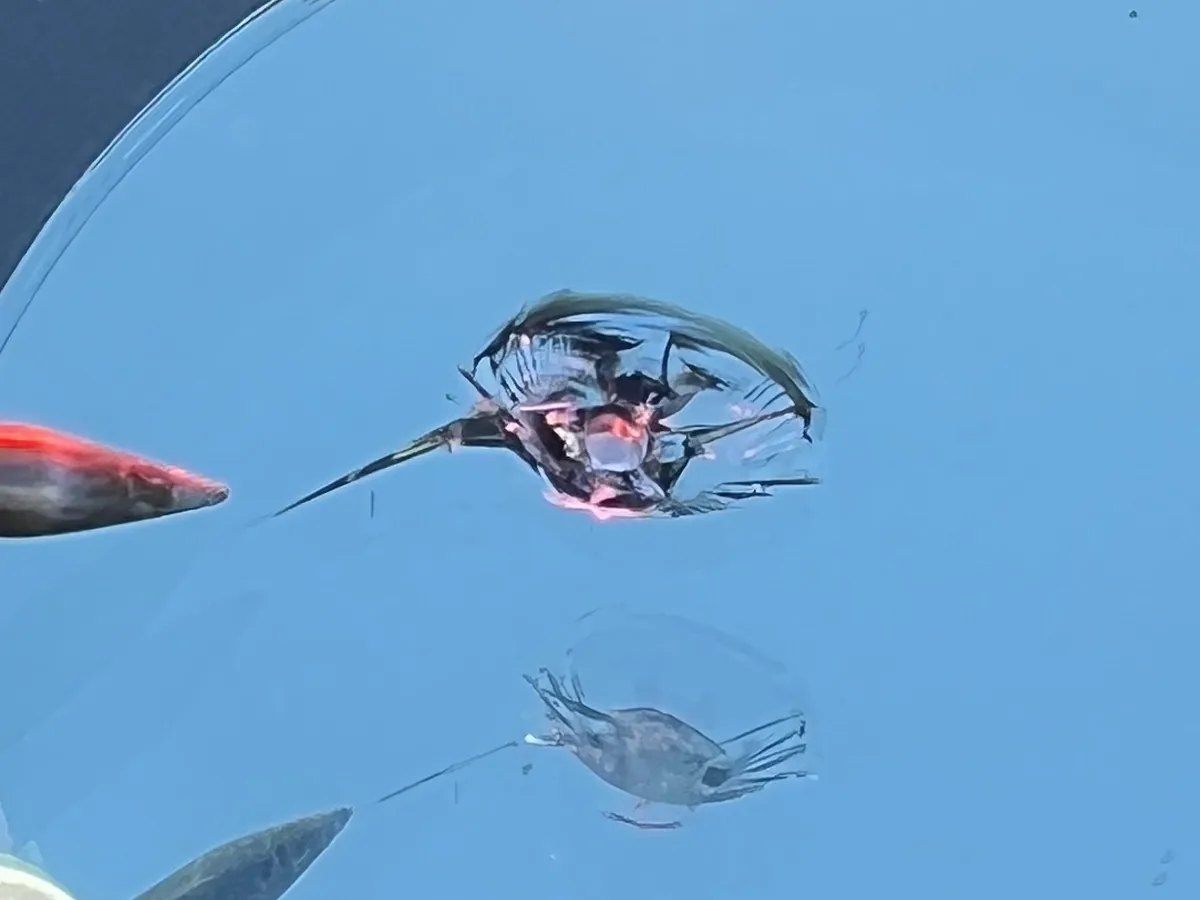
When a rock strikes your windshield, the impact can damage the outer layer of glass. This will create tiny fractures that extend away from the impact point. What looks like a small chip from the outside, may actually contain cracks and pockets of trapped air.
Windshields are made from laminated safety glass. These two layers of glass are bonded to a plastic interlayer. Most repairable rock chips affect only the outer layer. This allows the damaged area to be filled with resin without removing the windshield.
The dark areas you see inside many fresh rock chips are often caused by air within the break. During a professional repair, that trapped air is removed and replaced with a clear resin. Parts of the chip often become less noticeable once the resin has properly filled the damage.
What Is Windshield Chip Repair Trying to Do?
Windshield chip repair isn't about making the damage disappear. The goal is to stabilize the damaged glass by removing trapped air and replacing it with a clear resin.
Using a windshield repair injector, vacuum helps draw air out of the damaged area. Pressure is then used to push resin through the chip and into the small cracks extending from it. This process may be repeated to help the resin reach as much of the damaged area as possible.
Once the break has been filled, the resin is cured with UV light. The hardened resin helps bond and stabilize the damaged area. Thus reducing the chance of the chip spreading into a larger crack.
The repair will look better afterward but some evidence of the original impact will remain. Windshield chip repair is primarily a structural repair, not a cosmetic one.
Our Windshield Chip Repair Process
Every rock chip is different but the basic repair process follows the same principle. Inspect and prepare the damage. Remove trapped air, fill the break with repair resin and cure the resin with UV light.
1. Inspect the Rock Chip
The repair starts with a close inspection of the damage. The size, shape, impact point and any cracks extending from the chip are examined. This helps to determine how the break should be repaired.
The chip is checked for moisture, dirt, previous repair attempts and other contamination. These all affect how well the resin penetrates the damaged area.
2. Clean & Prepare the Damage
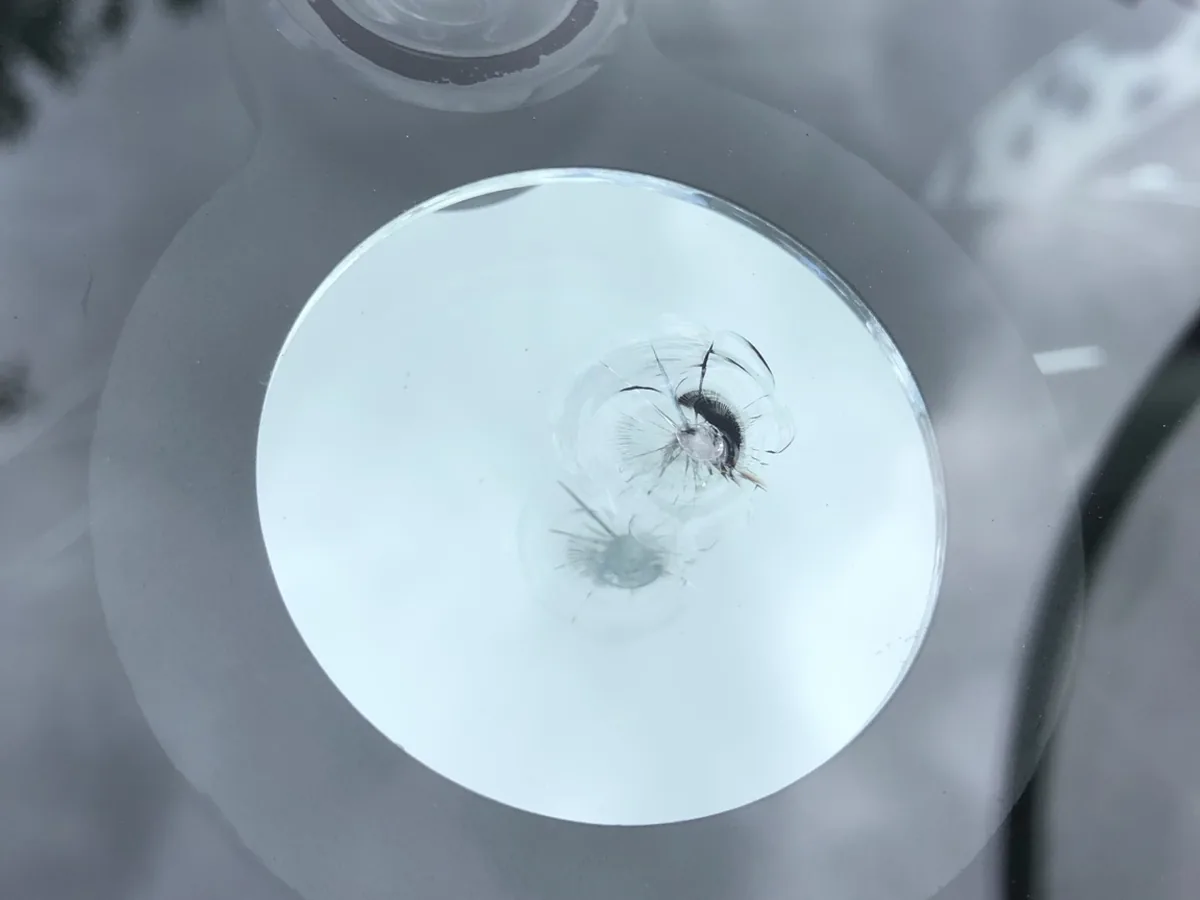
Loose glass and debris are removed from the impact point before the repair begins. Depending on the type of damage, the impact point may need to be opened to provide access for the repair resin.
Not every rock chip needs to be drilled. Preparation depends on the type of break and whether the resin can access the damaged area.

3. Remove Air & Inject Repair Resin
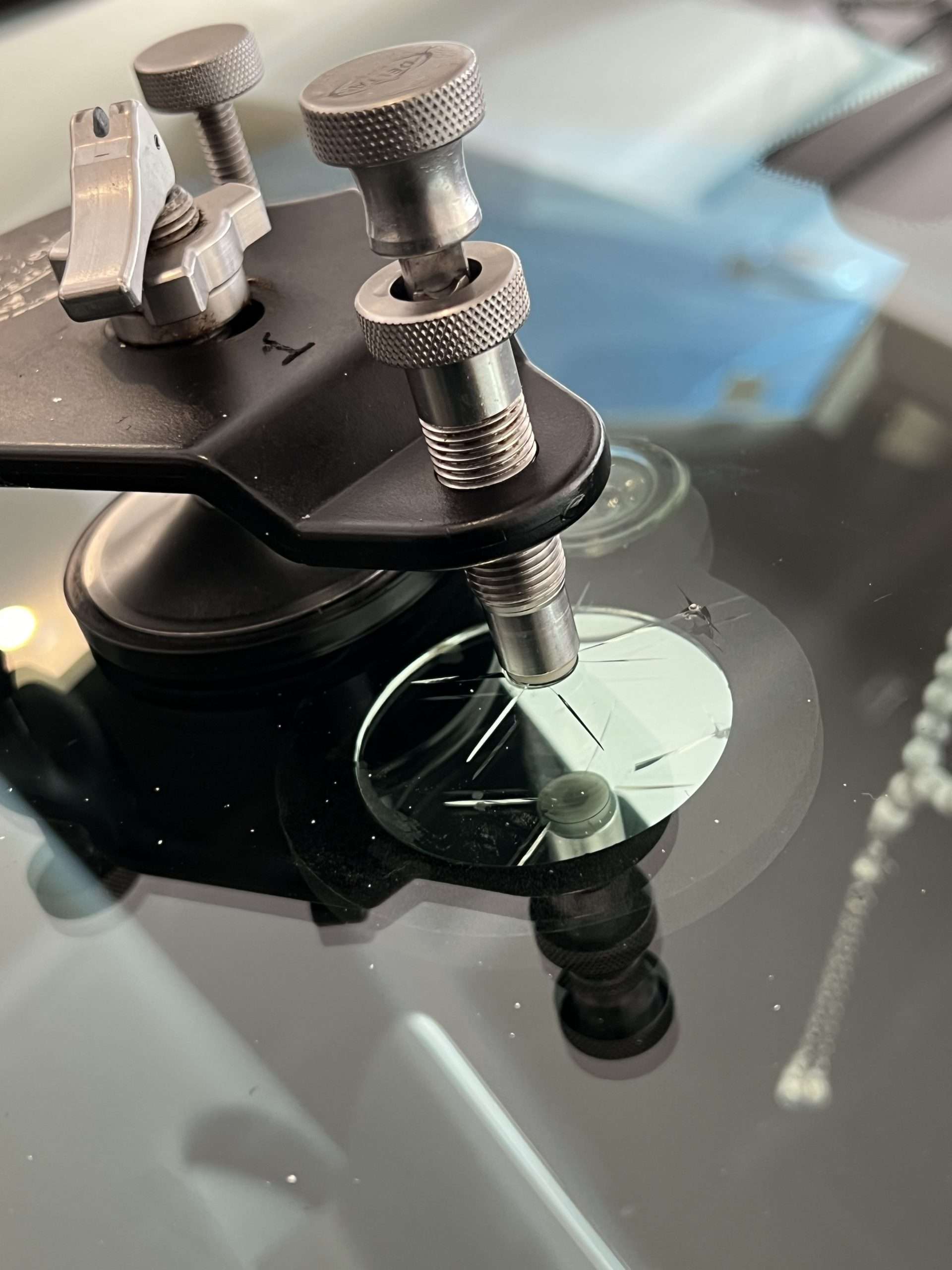
A repair bridge and injector are positioned directly over the chip. Specialized windshield repair resin is then introduced into the damaged area.
Vacuum and pressure cycles are used to help remove trapped air and move resin through the break. Pressure forces the resin into the small fractures extending from the impact point.
The technician will make sure that the resin is reaching all the damaged areas. More vacuum and pressure cycles may be used until the break has been filled.
4. Fill the Impact Point & Cure the Resin
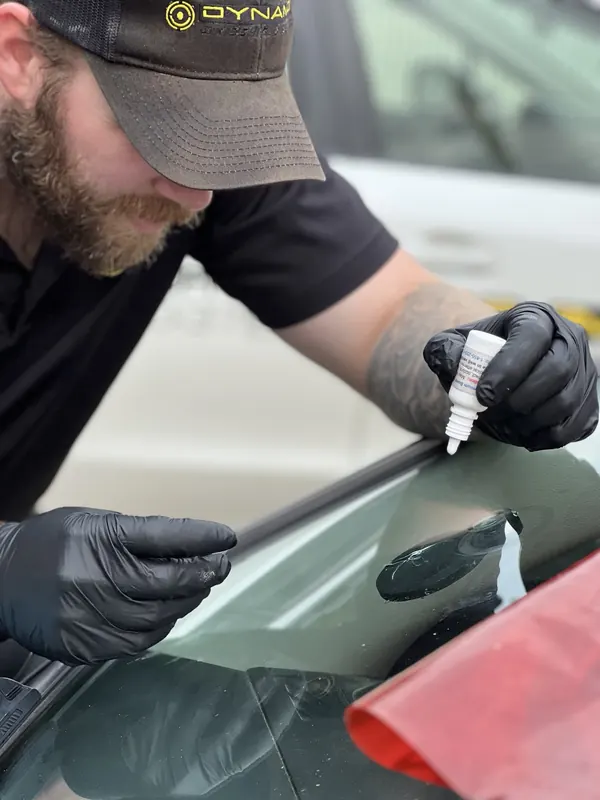
Once the damage has been filled, the surface impact point is covered with a curing film.
UV light is then used to cure the repair resin. The liquid resin hardens inside the break. This helps bond and stabilize the damaged glass.
5. Finish & Inspect the Repair
After curing, excess resin is removed from the surface. The impact point is finished smooth with a pit polish.
The repair is inspected to confirm that the resin has filled and stabilized the damage. Some cosmetic evidence of the original impact will normally remain.
Why Vacuum and Pressure Matter During Windshield Chip Repair
A rock chip isn't simply an empty hole that can be filled from the top. The damage can contain small fractures filled with trapped air. For the repair resin to properly fill those fractures, that air needs somewhere to go.
During the repair, the injector alternates between vacuum and pressure cycles. Vacuum helps draw trapped air out of the break. Pressure helps push resin into the small cracks extending from the impact point.
This process may be repeated several times during the repair. Some breaks fill quickly, while others take more time. Pressure/vacuum cycles are needed for the resin to reach the ends of the fractures.
As clear resin replaces the air inside the break, the dark areas of the chip become much less noticeable. This gives the technician a visual sign of how well the resin is penetrating the damage.
Why not just put resin on top of the chip?
Simply covering the surface wouldn't properly fill the internal fractures. The goal is to get repair resin inside the break. The trapped air is replaced with resin throughout the damaged area before the resin is cured.
What Does Windshield Repair Resin Do?
Windshield repair resin is a specialized liquid. It is designed to flow into the fractures created when a rock damages a windshield.
During the repair, the resin is worked through the break while it is still liquid. This allows it to penetrate the small cracks and spaces where air is trapped. Different parts of a windshield repair will use resins with different properties. For example, a thicker pit resin is used to finish the surface impact point.
Once the damaged area has been properly filled, the resin is exposed to UV light. The UV light causes the resin to cure and harden inside the break. Thus helping bond and stabilize the damaged glass.
The cured resin is clear and has optical properties designed for glass repair. Replacing trapped air with resin makes many of the dark areas and fractures less noticeable.
Does the resin make the rock chip disappear?
No. Resin can improve the appearance of a rock chip but it cannot reverse the physical damage caused by the original impact. A small scar, impact mark or visible fracture lines may remain after a successful repair.
Why Do Some Windshield Chips Need to Be Drilled?
Not every windshield rock chip needs to be drilled. Often, the existing impact point provides enough access for resin to enter the damaged area.
Sometimes, crushed glass or the structure of the break can restrict access to the internal damage. A technician may carefully use a small carbide drill to open or clean the impact point. This will create a better path for the repair resin.
The goal isn't to drill through the windshield. Only a small amount of glass is removed from the outer layer. This is necessary to help the resin reach areas that would otherwise be difficult to fill.
Whether drilling is needed depends on the type and condition of the individual rock chip. A good repair uses only as much preparation as necessary to properly fill the break.
Does drilling make the rock chip worse?
When performed correctly, drilling is a controlled preparation technique that improves resin access. It isn't necessary for every repair and shouldn't be done simply as a routine step.
Will You Still See the Windshield Chip After It’s Repaired?
Yes. Evidence of the original rock chip will usually remain after a windshield repair.
As resin replaces the air inside the break, many of the dark areas and fractures can become less noticeable. Some repairs have a significant cosmetic improvement, while others remain more visible.
The final appearance depends on several factors. For example, the type and severity of the damage. How long the rock chip has been there. Contamination inside the break. And the amount of physical glass damage caused by the original impact.
The primary purpose of windshield chip repair is to stabilize the damaged glass and help prevent the chip from spreading. It is not to make the windshield look brand new again.
Even after a successful repair, you may still see the original impact point, a small scar or portions of the fracture when looking closely.
A successful repair does not mean an invisible repair.
If your main goal is a flawless cosmetic result, windshield replacement is the only way to remove evidence of the original damage. Windshield chip repair is designed to preserve your existing windshield. The repair helps prevent minor damage from becoming a larger problem.
Need a windshield chip repair in Edmonton? We can help! Book your mobile windshield chip repair online.
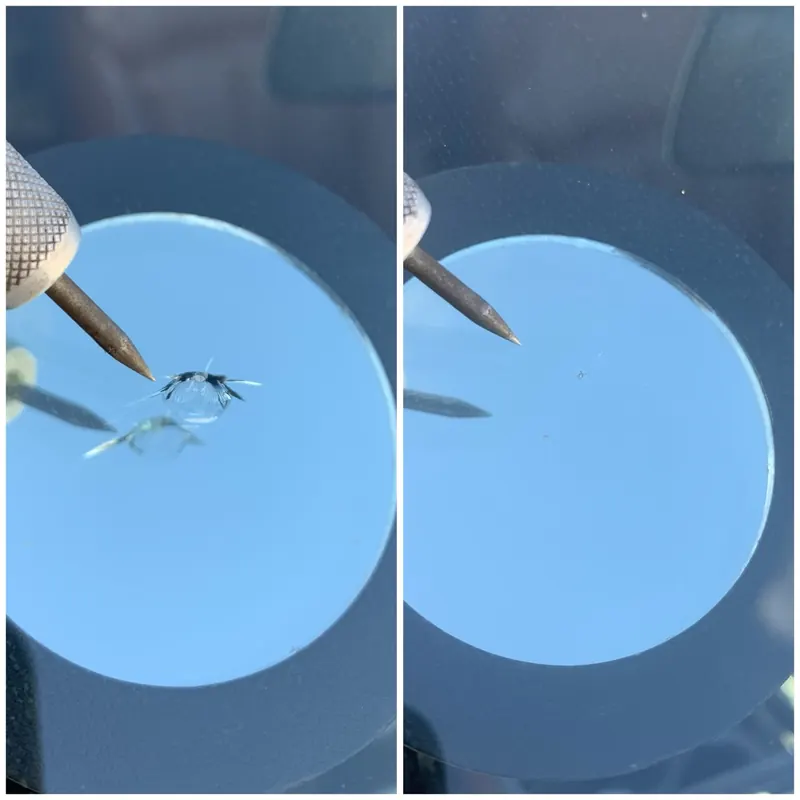
Actual windshield chip repair. Cosmetic results vary depending on the damage.
Why Fresh Windshield Chips Usually Repair Better
A fresh rock chip is generally easier to repair than one exposed to the elements for weeks or months.
The tiny fractures inside the chip can be exposed to moisture, dirt, windshield washer fluid and other contaminants. Over time, these materials can work their way into the break.
Contamination can make it difficult for repair resin to penetrate the damaged area. This may affect the cosmetic appearance of the finished repair. This is one reason an older rock chip may remain more noticeable after a repair.
Temperature changes, road vibration and normal flexing of the windshield can also cause an untreated chip to spread. Once the damage develops into a longer crack, a standard rock chip repair may no longer be possible.
If you notice a new rock chip, keep it clean and dry. Place a piece of scotch tape over top of the damaged area. Get the rock chip repaired as soon as possible for the best opportunity for a good result.
Just got a rock chip?
Avoid washing the windshield or pushing on the damaged area before your appointment. If possible, place a small piece of clear tape over the impact point to help keep dirt and moisture out.
Why Professional Windshield Chip Repair Technique Matters
Windshield rock chip repair may look simple. Successfully filling a break involves more than placing an injector over the damage and adding resin.
Different types of rock chips behave differently during a repair. The technician needs to identify the structure of the break first. Then they must prepare the impact point properly. Next, they must position the injector correctly. Lastlt, the technician must watch how the resin is moving through the damaged glass.
Some breaks fill quickly. Others may contain stubborn air pockets or fracture lines. Stubborn breaks will need extra vacuum and pressure cycles. Careful manipulation of the glass or extra preparation will help the resin reach the ends of the damage.
Proper curing and finishing matter too. The resin needs to cure before the surface is finished and the repair is inspected.
The goal isn't simply to make the chip look better. It's to fill and stabilize as much of the damaged area as possible. All while avoiding unnecessary stress on the windshield.
Does the repair equipment do everything automatically?
No. The repair system provides the vacuum, pressure and resin needed to fill the break. The technician still needs to check the repair and adjust the process based on how the individual rock chip responds.
Frequently Asked Questions
How long does a windshield chip repair take?
Most windshield chip repairs take approximately 20–30 minutes. More complex damage can take longer depending on the size and type of break and how easily the repair resin fills the damaged area.
How much does windshield chip repair cost?
Windshield chip repair at Dynamo Windshield Repair starts at just $70 for the first chip, with additional chips repaired at a discounted rate during the same appointment. We also offer free mobile service throughout Edmonton, so there's no extra charge for us to come to you. For a complete breakdown of our rates, visit our windshield chip repair pricing page.
Does a windshield chip completely disappear after repair?
No. A successful repair will often improve the appearance of a rock chip but some evidence of the original damage will normally remain. The primary purpose of the repair is to fill and stabilize the damaged glass, not make the chip completely invisible.
How does windshield repair resin help stop a chip from spreading?
Repair resin fills the tiny fractures and spaces within the damaged outer layer of glass. Once the resin is cured with UV light, it hardens within the break and helps stabilize the damaged area, reducing the chance of the chip developing into a larger crack.
Can every windshield chip be repaired?
No. Repairability depends on factors such as the size, type, location and condition of the damage. Chips that have already developed into long cracks, contain severe glass damage, or have been previously repaired may not be suitable for a standard rock chip repair.
Can a repaired windshield chip crack again?
A properly completed repair is designed to permanently stabilize the existing damage but no repair can make damaged glass identical to an undamaged windshield. If a repaired chip does spread, the next steps will depend on the extent of the new damage and the warranty provided with the repair.
Ready to Repair Your Windshield Chip?
Dynamo Windshield Repair offers convenient mobile windshield chip repair throughout Edmonton. Book online in minutes and we'll come to you.
100% money-back guarantee
if your windshield chip repair doesn't work.
